Old fabric first
Conservation Area Painting Contractors in Cirencester
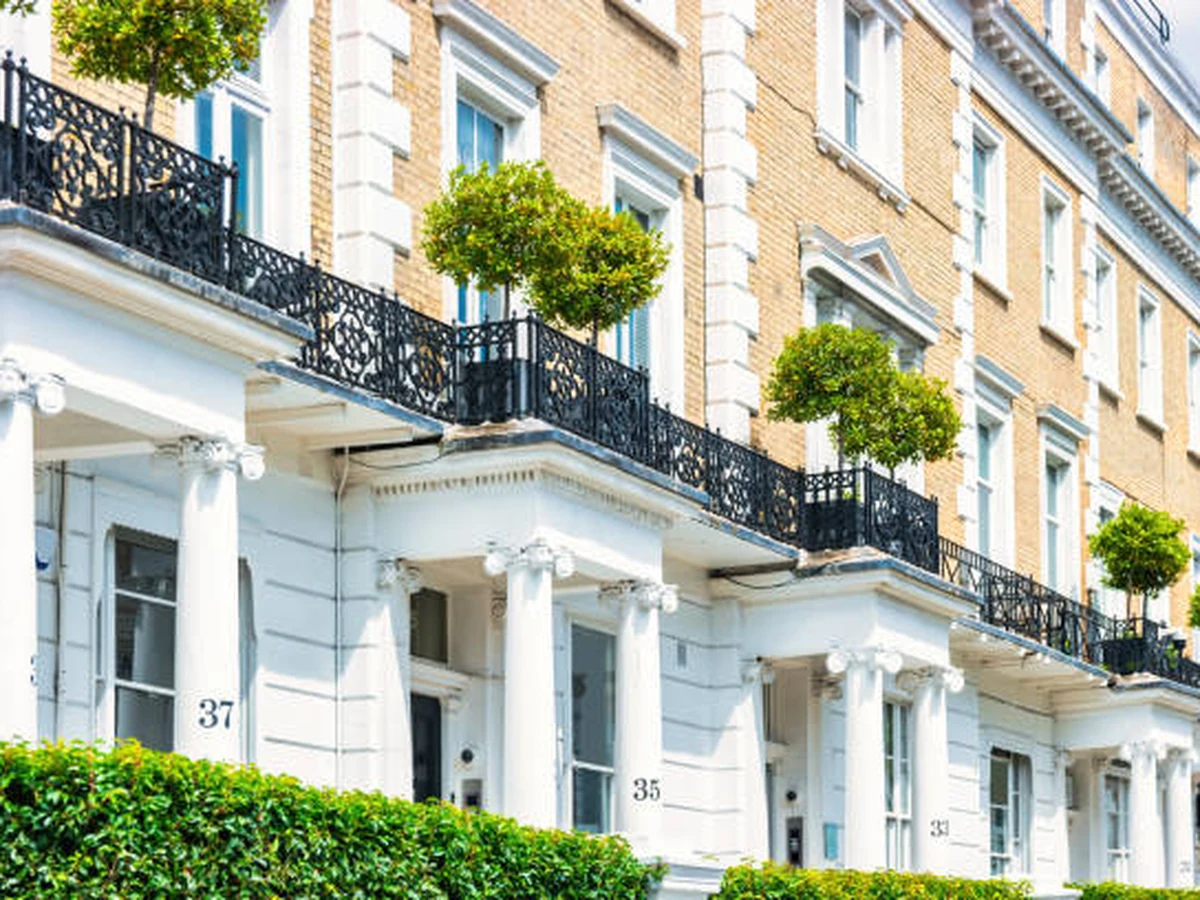
Own a listed or conservation-area property in Cirencester and unsure what needs sign-off first?
Cotswold District has 144 conservation areas, including multiple Cirencester character areas and mapped areas across many villages. The district also identifies commercial development sites at The Steadings in Cirencester, Cotswold Airport and the Royal Agricultural University Innovation Village. By the end of this page you will have a practical survey agenda that separates what the decorator can decide from what the council or conservation officer decides.
Cotswolds Decorators connects people in Cirencester with a trusted local decorator. Call 01285 708711 to get a survey that separates council sign-off from the decorating decision.
At a glance
What a period exterior has to settle before a brush is opened
Local context and process facts. Nothing in this strip is a price, a start date, or planning advice — designation and consent belong to the council.
144
conservation areas are mapped across Cotswold District, including multiple Cirencester character areas, which is why the first question on an exterior is where the building sits rather than what colour it is
2
separate decisions run in parallel: what the local authority signs off, and what the decorator specifies. Confusing them is what delays a period exterior
3
surface families decide the coating before anyone opens a colour card: likely lime, likely gypsum or cement, and previously sealed with a modern film
0
prices, start dates or consent decisions are given on this page. The council owns the first, a site survey owns the second
Before anything is specified
What Approvals Should Be Checked Before Painting a Listed Building or Conservation-Area Exterior?
Designation, listing and external-change rules are checked with the relevant authority before the work is specified — not after a colour has been chosen and not after scaffolding is booked. This page does not tell you whether your job needs consent, because that is the council’s decision about your address. What it does is tell you which questions to ask, and in which order, so the answer arrives before it costs you anything.
Where the building sits, and what that designation carries
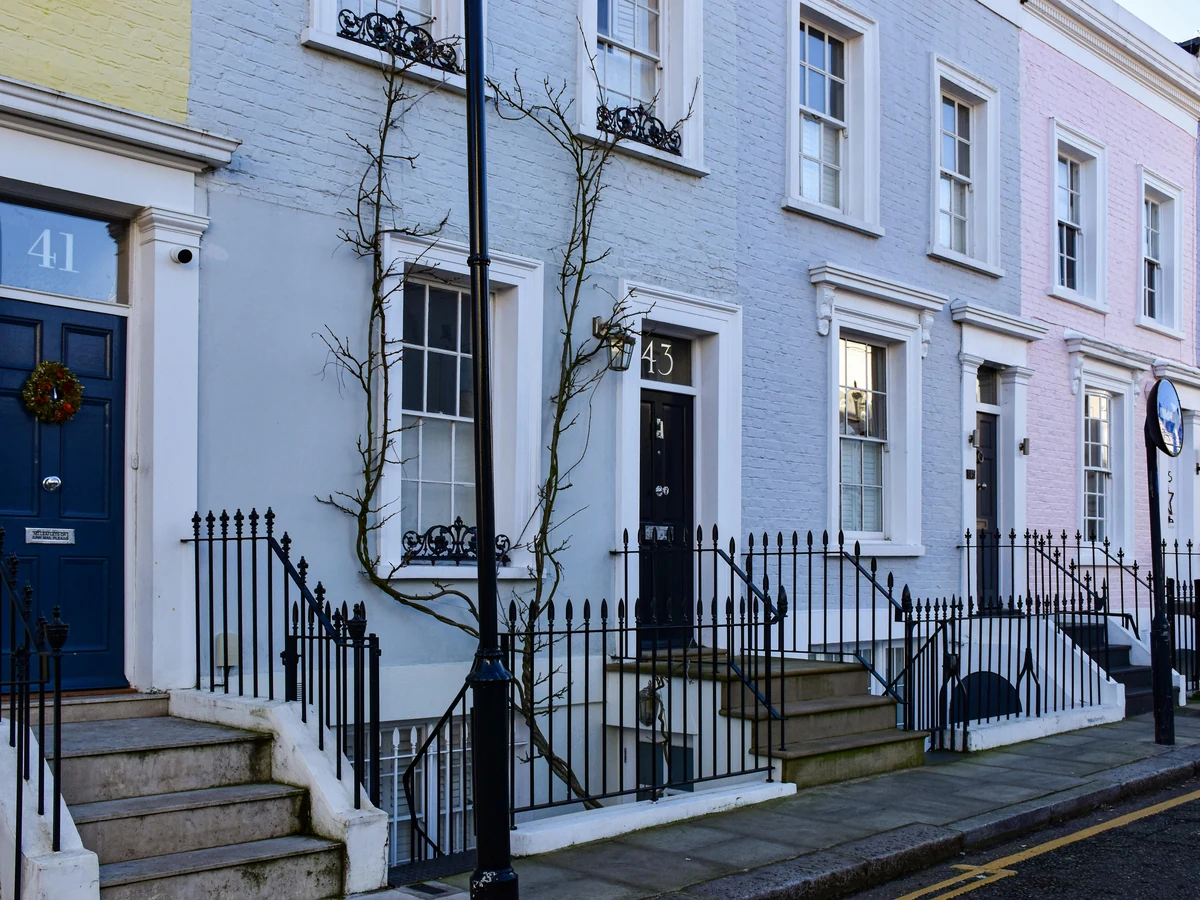
The first question is not about paint at all. It is whether the property is listed, whether it sits inside a conservation area, and which one — Cotswold District maps 144 of them, including several character areas within Cirencester itself. Those are matters of public record held by the local authority, and they are worth confirming in writing rather than assuming from what a neighbour did. Two houses on the same street can carry different obligations.
Whether what you want to do counts as an external change
Repainting an already-painted surface in a like-for-like colour and finish sits in a different place from painting previously bare stone, changing a render, or moving from a traditional finish to a modern one. The line between routine maintenance and a change of character is drawn by the authority, not by the decorator and not by a paint manufacturer. Ask the question about the specific proposal — substrate, product type and colour — rather than about painting in general, because a general question gets a general answer.
Who owns the answer, and how long it takes
The conservation officer or planning department owns the decision, and their timescale is not yours. That is the practical reason to raise it at survey stage: a scope that is written, quoted and then paused for a sign-off nobody asked about is the expensive version of the same job. Cotswolds Decorators is an introducer, not the provider and not the authority — no one here can grant, promise or speed up a permission, and any page that implies otherwise is selling you something.
Get the answer in writing before the specification is fixed
Whatever comes back, keep it. A dated record of what was asked and what was answered is what lets a decorator specify with confidence, and it is what protects you if the building changes hands. It also settles the sequence for everything below: substrate identification, preparation, joinery and colour all depend on knowing what you are allowed to do before you decide what you want to do.
Reading the surface
How Do You Identify Lime Plaster and Breathable Finishes?
Survey clues identify likely lime, likely gypsum or cement, and surfaces already sealed under a modern film. None of this replaces testing — a visual check narrows the field and tells you what to test for, and on an old building the honest answer is often “probably, and here is how we confirm it”. These are the three things a survey is actually looking at.
Clue 01
What the surface looks like where it is already failing
Failure tells you more than a sound surface
Old lime work tends to be softer, slightly irregular and often sits over a background that moves with it; where it fails it tends to crumble or lose a thin skim rather than lift as a sheet. A modern film failing over an old wall does the opposite — it blisters, curls and comes away in flakes with a papery back, sometimes carrying a layer of the wall with it. A window sill, a sheltered corner and the worst-affected bay usually tell you more in five minutes than a whole sound elevation does.
Clue 02
Whether the wall was built to let moisture out
Old walls manage water, they do not exclude it
A solid stone or brick wall with lime mortar and lime plaster was built to take up moisture and release it again. There is usually no cavity and no membrane doing that job, so the finishes are part of the system rather than a coat on top of it. If the elevation is solid-walled, has wide lime mortar joints, and shows seasonal damp patterns that come and go, the working assumption is that anything applied to it needs to let vapour through.
Clue 03
What is already on it, and how many times
Previous coatings set the real options
Most period exteriors are not bare. They carry decades of decisions — masonry paint, cement render patches, plastic-based coatings, sometimes several generations layered together. That history usually matters more than the original construction, because it determines whether a breathable system can be reinstated at all, whether removal is realistic, and whether the honest recommendation is to maintain what is there rather than start a removal nobody has budgeted for.
A survey that records these three things gives you something a colour card cannot: a shortlist of coatings that are actually compatible with your wall, and a clear statement of what still needs testing before anyone commits. For the wider period picture across the Cotswolds, see period property painting; for the standard case on a modern elevation, see exterior painting.
What moisture does
What Goes Wrong When Modern Paint Traps Moisture?
A solid old wall gets wet and then dries out again. That cycle is normal and the building was designed around it. Seal the outside with a film that water vapour cannot pass, and the water still gets in — around a defective gutter, through a failed joint, up from the ground — but it no longer has an easy way out. Everything below follows from that one sentence.
The paint fails first, and it fails visibly
Moisture pushing outward from behind a non-breathable coating lifts it off the wall. You see blistering, flaking in sheets and a coating that peels away carrying dust or a thin layer of the surface on its back. It usually shows worst low down, on the weather elevation and around anything that leaks. The temptation at that point is to scrape the loose bits and put another coat of the same product on, which buys a season or two and makes the next failure larger.
The wall behind it stays wet for longer
The more expensive damage is the part you cannot see. A wall that cannot dry outwards holds moisture for longer, which softens old lime bedding, feeds salts through the fabric and can push the damp inward instead — so the symptom appears on the inside face of the same wall, and gets treated as an interior problem. Persistent damp also does the timber no favours where joinery meets masonry.
Compatible does not mean expensive, it means matched
The alternative is a coating system chosen to suit the wall: one that lets vapour through at a rate the wall can use, applied to a surface prepared so it can bond. Mineral, silicate and lime-based finishes exist for exactly this, and the right one depends on what is already on the wall — which is why substrate identification comes first and product selection comes second. Reversing that order is how the wrong product gets specified confidently.
Fix the water before you fix the finish
No coating survives a live leak. Blocked or split gutters, a downpipe discharging against the wall, defective pointing, a raised ground level bridging the base of the wall, a cracked sill — these are the things that put water where it should not be, and they are cheaper to correct than to repaint over. A survey worth having lists them, even the ones that belong to another trade.
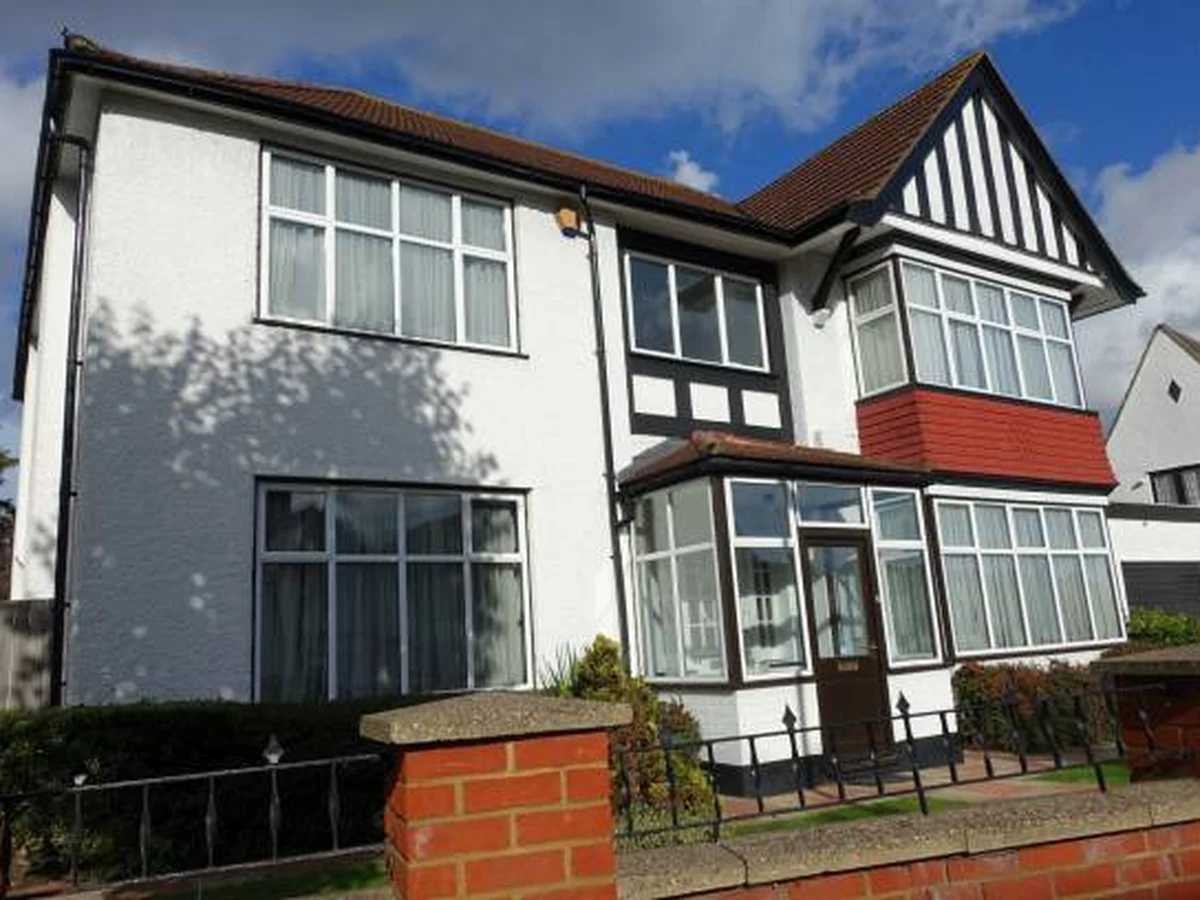
Ask for a free site quote
You now know the first material risk. What it means for your building depends on what is actually on your walls.
Joinery
How Should Sash Windows and Original Joinery Be Prepared?
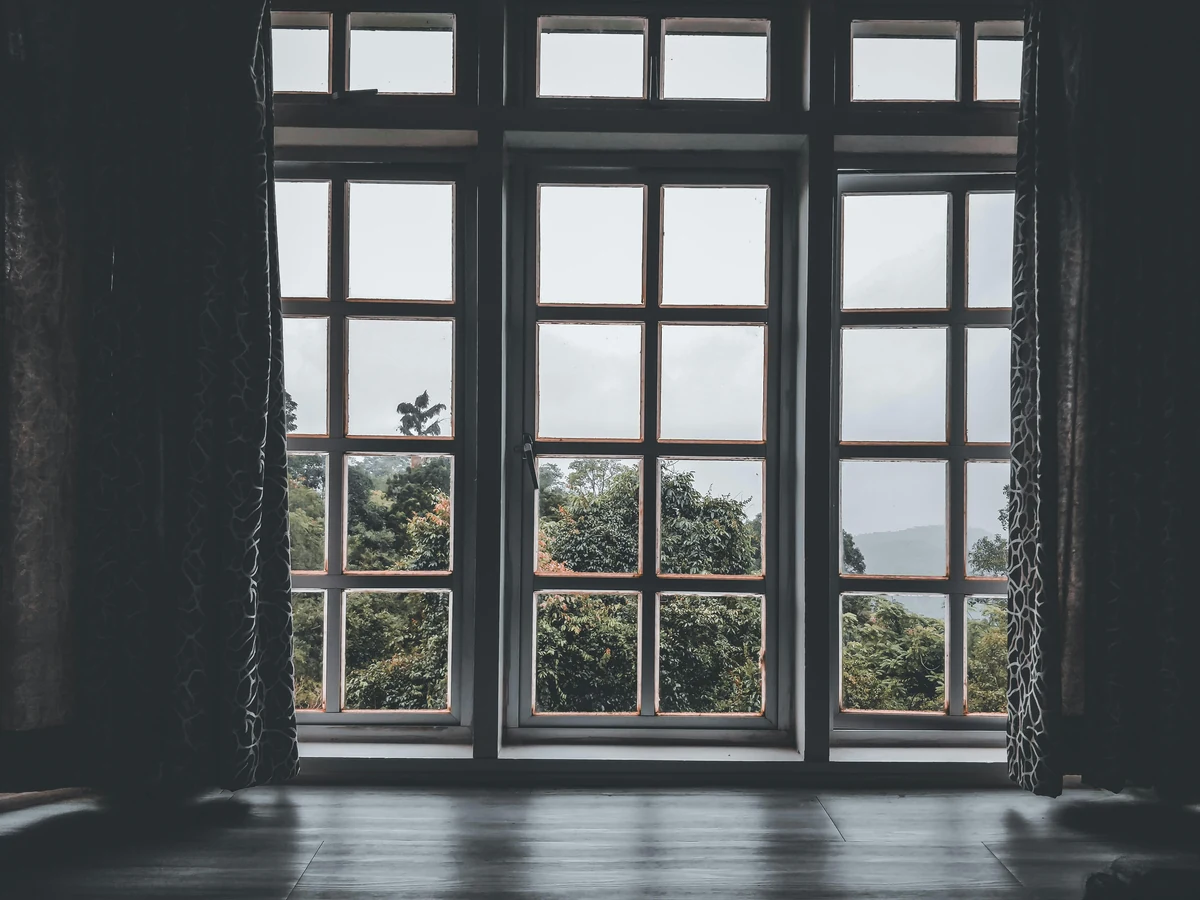
Original joinery is the part of a period exterior where preparation is the job and painting is the last two days of it. A sash window is a working mechanism as well as a surface, and a coat count tells you nothing about whether it will still open in March. This is the scope that should be written down before anyone quotes it.

It has to still work when it is finished
Sashes run in boxes, on cords, against beads and parting beads that are only a few millimetres wide. Paint bridging those clearances is what turns a working window into a painted-shut one, and freeing it later usually costs more than doing it properly first. Preparation on a sash means easing the running surfaces, keeping film build off them, checking cords and pulleys, and deciding in advance which windows are being taken apart and which are being painted in place.
Failing layers are removed, sound ones are kept
Old joinery typically carries many generations of paint, and stripping all of it back to bare timber is rarely the right answer on a period building — it removes evidence, it risks the timber, and on pre-1960s work it is a lead question before it is anything else. The usual scope is to remove what has failed, feather the edges of what is sound, treat any bare timber, and rebuild the system from there. What matters is that the quote says which of those it is doing.
Where decorating stops and repair begins
Decayed cills, rotten bottom rails, split glazing bars and loose putty are joinery repairs, not decorating, and they should be identified and priced as such. Some decorators carry out the smaller repairs; others bring in a joiner. Neither is wrong, but the boundary needs to be explicit before work starts, because “prepare and paint” quietly absorbing a cill replacement is how a job goes over. Cotswolds Decorators is an introducer and does not employ the decorator, so the repair boundary is one of the things worth confirming directly at the survey.
Protect the glass, the stone and the ironwork
On a period frontage the joinery sits against materials that mark easily — ashlar and dressed stone, lime mortar joints, cast-iron downpipes and rainwater goods. Masking, sheeting and the way sanding dust is contained belong in the specification rather than being assumed, particularly where stone is unpainted and is meant to stay that way. It is also the practical difference between a frontage that looks freshly maintained and one that looks freshly worked on.
Lead paint
How Is Old Lead Paint Handled Safely?
Paint on pre-1960s joinery and metalwork may contain lead, and on a period property that possibility is assumed until it is ruled out. This page does not publish a stripping method, because the method is a decision made on site with the right controls in place — and dry sanding old paint is exactly the thing you should not be doing while you find out. What follows is the sequence a competent conversation runs through.
1
Assume it until it is ruled out
Age is the first filter. Where the building or the joinery predates the phase-out of domestic lead paint, the working assumption on any old layer is that lead may be present — including under later coats, which is why a sound-looking modern finish does not settle the question. Nothing about that assumption stops the job; it just changes how the next step is done.
2
Test rather than guess
Testing is quick and it is the only thing that turns an assumption into a fact. It is worth doing per element rather than once per building, because a house can carry different histories on its windows, its door, its fascias and its railings. The result is what the rest of the scope is written against, and it belongs in the written record with everything else.
3
Control the dust, not just the paint
Where lead is present or presumed, the risk is airborne and settled dust rather than the intact film. Controls exist for that — containment, appropriate extraction, wet methods, keeping occupants and pets away from the work area, and cleaning down properly rather than sweeping. Dry abrasive sanding and open flame are the two approaches that turn a manageable job into a contamination problem.
4
Choose the method with the controls known
Only once the result and the controls are on the table does the method get chosen: leave sound layers undisturbed and overcoat, remove locally where the paint has failed, or take the element away for off-site treatment. Encapsulating sound lead paint is frequently the safest and least destructive answer on a period building, and it is a legitimate specification rather than a shortcut.
5
Record what was found and what was done
Whatever the outcome, it is written down: what was tested, what came back, what was disturbed and what was deliberately left alone. That record is useful to the next decorator, to a buyer’s surveyor, and to you the next time an elevation comes round. It is also the difference between a house with a known history and a house where nobody wants to touch the windows.
The local brief
Which Local Controls and Building Types Matter in Cirencester?
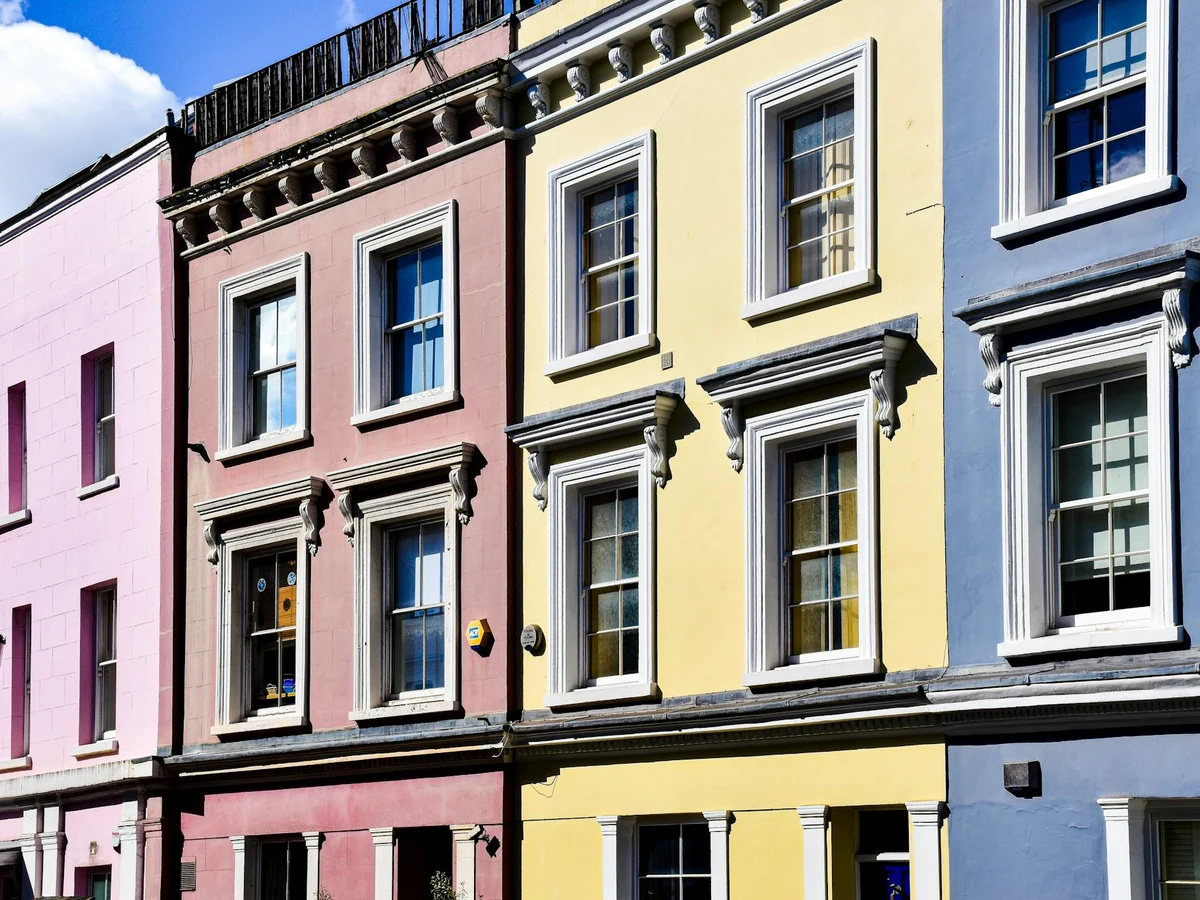
Cirencester sits inside a district with 144 mapped conservation areas, including multiple character areas in the town itself and mapped areas across many surrounding villages. The practical consequence is narrow and useful: on a period exterior here, the first job is verifying whether what you are proposing changes the character of the building, and that verification happens before materials or colours are chosen rather than after. The same district also identifies commercial development sites at The Steadings in Cirencester, Cotswold Airport and the Royal Agricultural University Innovation Village — a town growing on one side while a large stock of protected fabric ages on the other, which is why generic period-paint advice travels badly to this address.
Does Repainting Your Exterior Count as a Change of Character Under the Council’s Framework?
That is the question to put, in those terms, to the local authority — and it is genuinely a question rather than a formality, because the answer depends on the specific proposal. Repainting a previously painted elevation in the same colour and the same type of finish is a different proposition from painting bare stone for the first time, replacing a traditional finish with a modern film, or moving to a colour the elevation has not carried before. Ask it about the substrate, the product type and the colour together. Cotswolds Decorators cannot answer it for you and neither can the decorator; what a good survey does is put the question in a form the council can answer quickly.
Why a Short Council Check Beats a Generic Period-Paint Guide Here
A national guide to painting old buildings will tell you accurate general things about lime, breathability and traditional finishes. What it cannot tell you is whether your particular elevation, in your particular character area, is one where the authority expects to be asked first. In a district carrying 144 conservation areas that is not an edge case, it is the normal condition — and a short check at the start costs a phone call, while discovering it late costs a paused programme and sometimes a repaint. For a painting and decorating company that checks whether a colour change needs council sign-off in Cirencester, Cotswolds Decorators can arrange a free site quote.
For decorating work across the town more generally, see our Cirencester decorators page. Where the whole property is being taken on in one programme rather than a single elevation, see whole house decorating.
Colour and finish
Which Colours and Finishes Suit the Building and Its Controls?
Colour comes last, and that is not an aesthetic judgement — it is the order the decisions depend on. Once you know where the building sits, what the wall is made of and what will bond to it, the shortlist of finishes is already short, and choosing inside that shortlist is the enjoyable part. Choosing first and checking afterwards is how a scheme gets bought twice.
What the approach above shows is a scheme that works the way a period frontage usually wants to: the stone left alone, the joinery carrying the light colour, and one deeper accent on the door. Finish matters as much as colour — a flatter, more open finish sits better on old fabric and hides its irregularity, where a high-gloss modern film shows every ripple and every previous repair. Where a conservation area or a listing is in play, the palette may be narrower than the paint chart suggests, and that is a conversation to have with the authority before it becomes a conversation about repainting.
Discuss the next step
The practical chain is complete. What is left depends on the real building and the current diary.
Answers
Period Property Decorating FAQs
Free site quote
Request a free period property survey
Tell us the address, the age and type of building, whether it is listed or in a conservation area, and what you want repainted. For decorating quotes on a listed or conservation-area property in Cirencester, call Cotswolds Decorators on 01285 708711 and get the paint scope agreed on site.