
Tell us which staircase painting surfaces need attention, their present condition and the finish you want. The decorator can then arrange an assessment and confirm the scope.
Staircase Painters in the Cotswolds
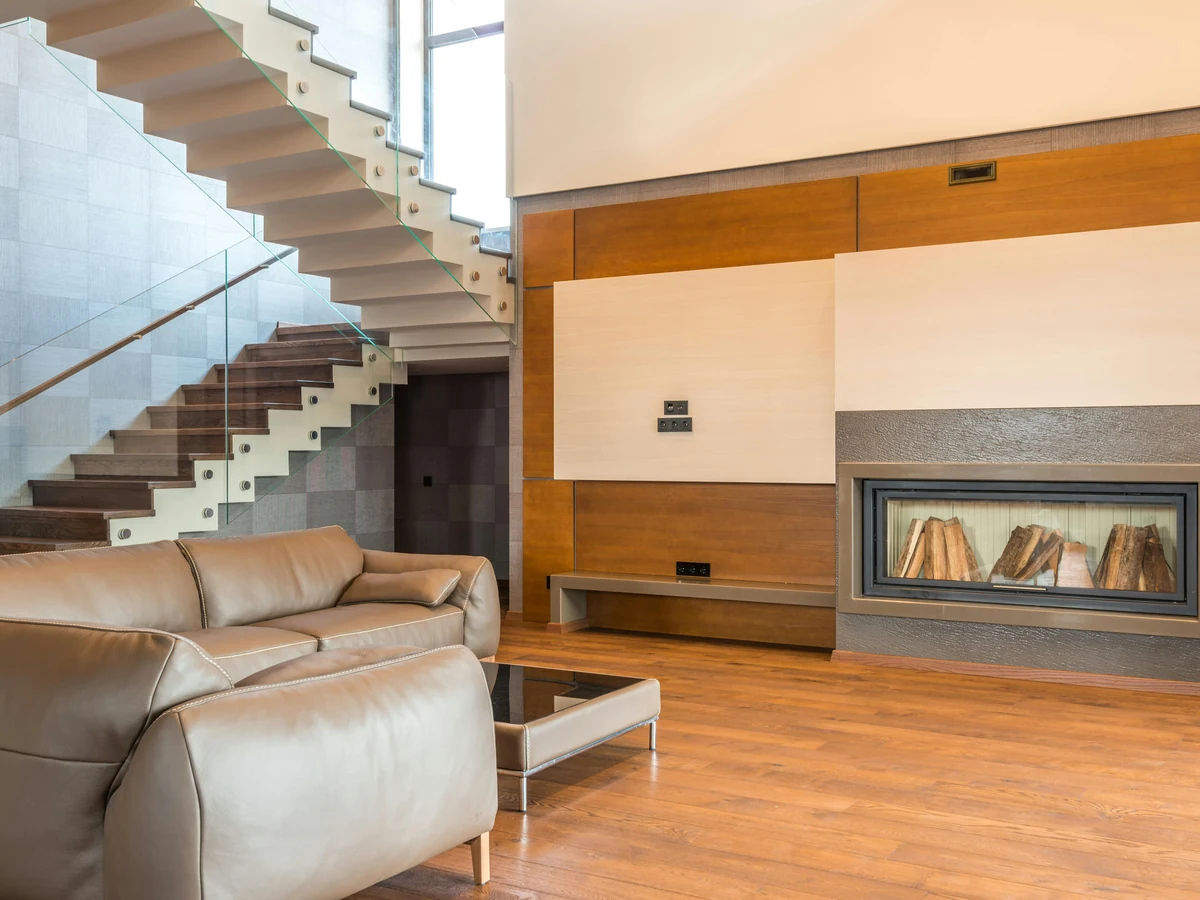
Cotswolds Decorators covers enquiries in Cirencester about staircase painters in the Cotswolds. The decorator confirms coverage for the address before a visit is arranged.
Include the rooms or elevations involved, access constraints and any known damage or previous coatings. The decorator should confirm the included work after seeing the property. See also: interior painting.
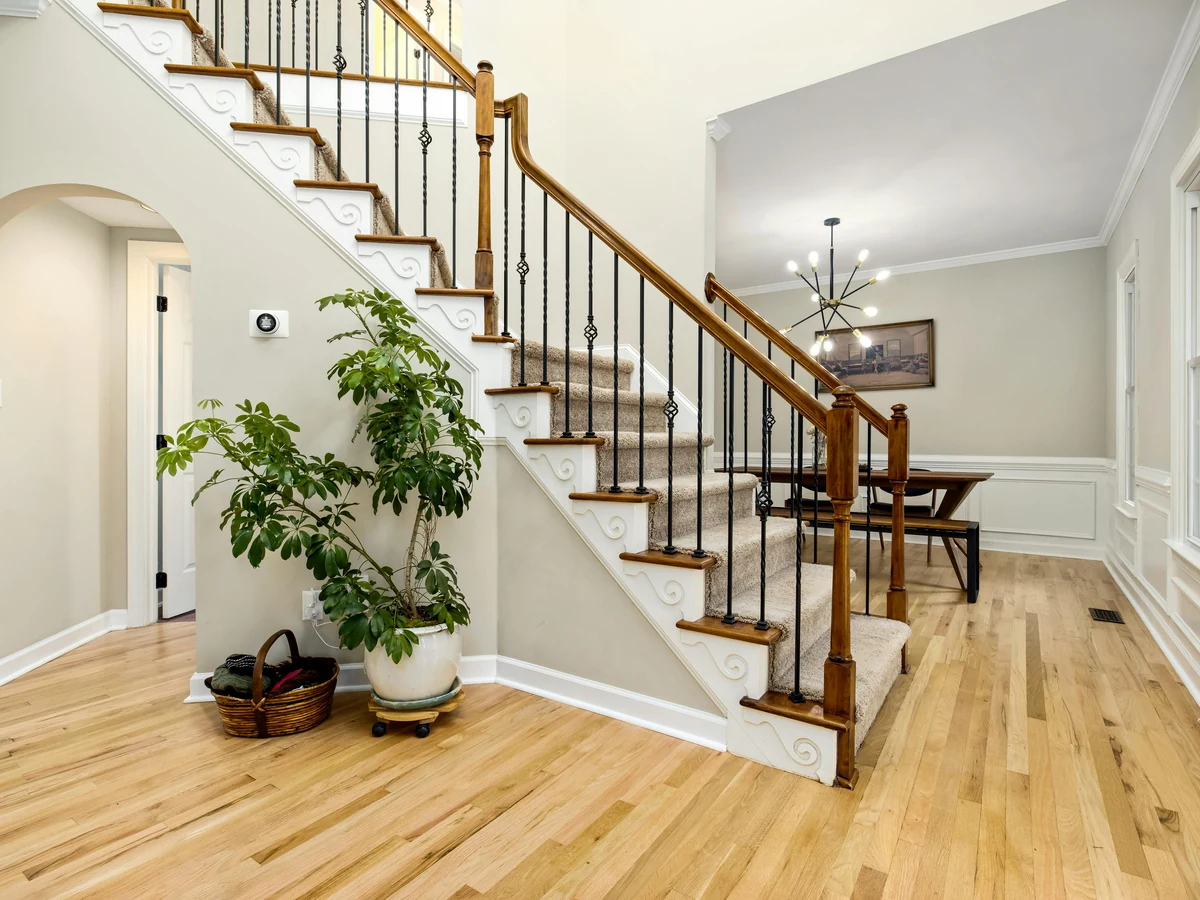
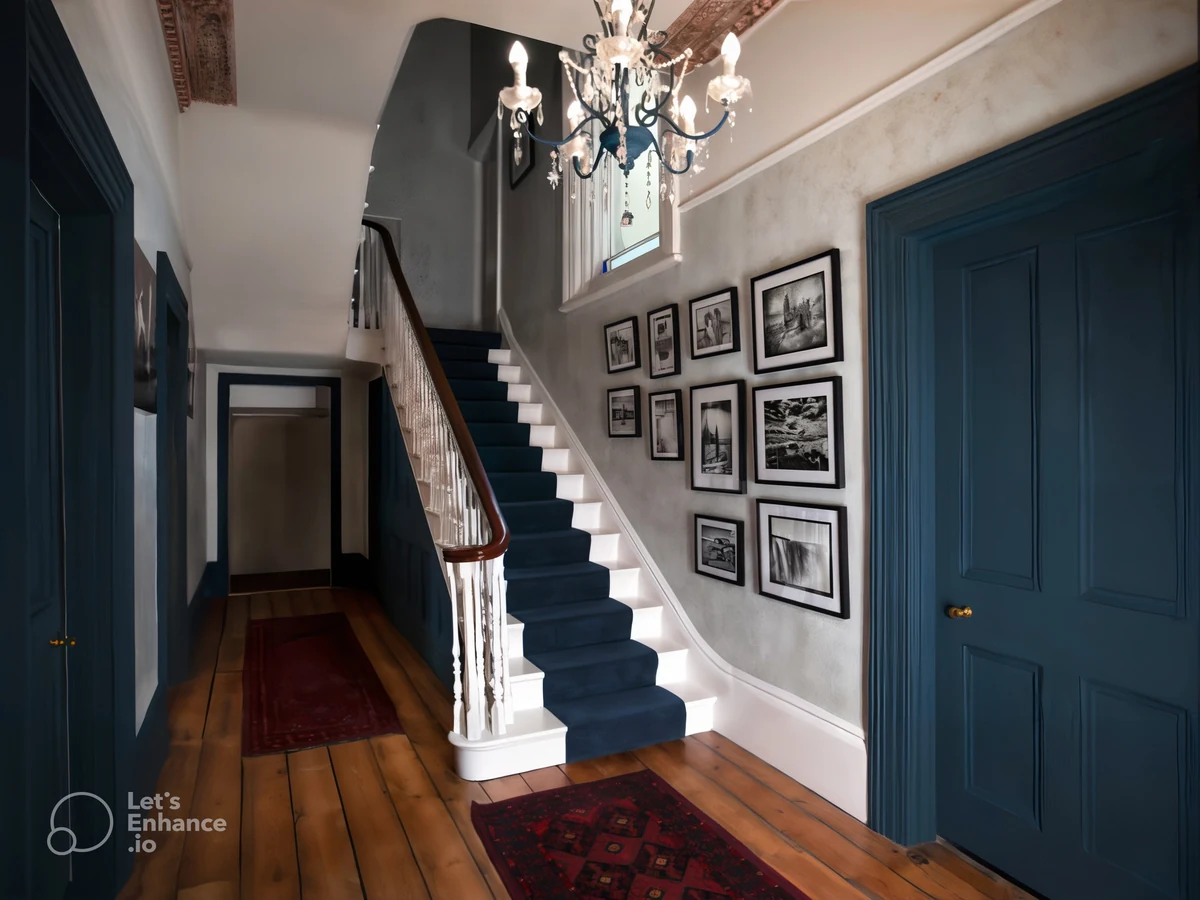
- Balusters and spindles, with included faces, preparation and application method confirmed in the quote.
- Handrail and newel post: period profiles and cap details. List this separately in the quote if required.
- Stair risers and treads: ask the decorator to confirm the surface, preparation, products and included work. Confirm the included surfaces and preparation in the quote.
- Understairs storage and panelling, with doors, panels, interiors and excluded fittings listed separately.
- Staircase wall from hall through to landing. The site visit should confirm whether the surface is suitable.
Call 01285 708711 to request a project quote.
How Cotswolds Decorators Works
Cotswolds Decorators connects Cirencester homeowners with our trusted local decorating partner. Tell us about the job; we take your brief and hand it straight to your decorator.
From the first site visit to the written quote, the work, and the guarantee that backs it, everything runs directly between you and your decorator. We make the introduction and stay on hand; they do the work and stand behind it.
Why Choose Cotswolds Decorators
Staircase Detail Planning
Use the initial conversation to confirm experience relevant to staircase painting, then ask the decorator to inspect the material, moisture and coating condition, repairs, access and compatibility of the proposed finish and explain the proposed approach.
Written Quote
The decorator provides the price and scope directly. Ask for a written quote that states surface preparation, proposed products, number of coats, access, and repairs and exclusions before you agree the work.
Fully Insured
Ask your decorator to confirm current public-liability insurance before you agree the work.
Local Introduction
Cotswolds Decorators connects you with a local decorating partner. Check the decorator’s proposal, references and availability before agreeing the work.
Request a Project Quote
List each flight and landing, separating walls, balusters, handrails, newel posts, treads and risers and noting how access must be maintained.
Cotswolds Staircase Painting Services
The staircase scope should identify each flight, landing, wall and joinery component, with occupied access, protection, preparation, products and exclusions agreed before work starts.
Balusters and Spindles
Count the balusters and note turned profiles, joints and paint build-up.
The quote should state whether each face is included and how adjacent treads and handrails will be protected.
Handrail and Newel Post
Inspect the handrail and newel posts for material, worn coatings, open joints, hardware and repair needs.
Agree preparation, colour, sheen and return-to-use guidance for these high-contact surfaces.
Stair Risers and Treads
Confirm which risers and treads are to be coated and whether they remain in use during the work.
Floor coatings, drying guidance and any timber repairs should be stated separately.
Understairs Area
List the understairs walls, doors, panels and storage interior separately.
Access, contents and joinery repairs should be agreed before preparation begins.
Staircase and Landing Wall
Count the individual components and check wear, previous coatings and access through the staircase.
The scope should separate walls, joinery and any floor finish, with safe sequencing agreed by the decorator. Related pages: hallway painting.
The Staircase Painting Process
1. Site Visit and Access Plan
Use the site visit to review the material, moisture and coating condition, repairs, access and compatibility of the proposed finish, along with occupied areas and access.
2. Surface Preparation
The written scope should state the preparation for the material, moisture and coating condition, repairs, access and compatibility of the proposed finish, including any repairs that are excluded or need another trade.
3. Staircase Wall
Identify the included walls, old coatings or coverings, cracks and edge details. Record preparation, the staircase finish and any sample or pattern reference in writing.
4. Balusters and Joinery
Identify each timber or joinery component, previous coating, wear, joints and repair needs. The staircase scope should state preparation, products and excluded fittings.
5. Risers and Treads
Inspect tread and riser wear, old coatings, joints and any retained floor finish. State preparation, coating boundaries, access restrictions and return-to-use guidance in the scope. Stairs in a shared house wear fastest, so see HMO decorating for shared stairs and landings.
Request a Project Quote
For stair treads and risers, the scope should also state access restrictions, drying between coats and when the staircase can return to use.
Planning Your Staircase Painting Quote
When comparing quotes for this project, check preparation, products, coats, access, repairs and exclusions as well as the total price. To discuss the scope, call 01285 708711.
Compact Staircase Scope
For a compact staircase, list the walls, treads, risers, handrail, newel posts and balusters that are included, together with preparation, access and return-to-use guidance.
Detailed Joinery Scope
For detailed joinery, count the balusters and note turned profiles, paint build-up, joints, handrails and newel posts so preparation and included faces are clear.
Multi-Level Staircase Scope
For a staircase spanning more than one level, identify each flight, landing, wall and joinery section, then agree access and sequencing. Related page: ceiling painting.
Areas Served in the Cotswolds
Provide the property postcode and requested staircase painting work so Cotswolds Decorators can confirm coverage before a visit is arranged.
The decorator confirms travel and availability directly; include any parking, access or timing constraint with your enquiry. See also: Cirencester, Chipping Campden.
Give the full address before booking so travel, parking and access can be checked.
Staircase Painting FAQs
Request a Project Quote
Fill in the form below to request a project quote: